21 Pretty Patterns
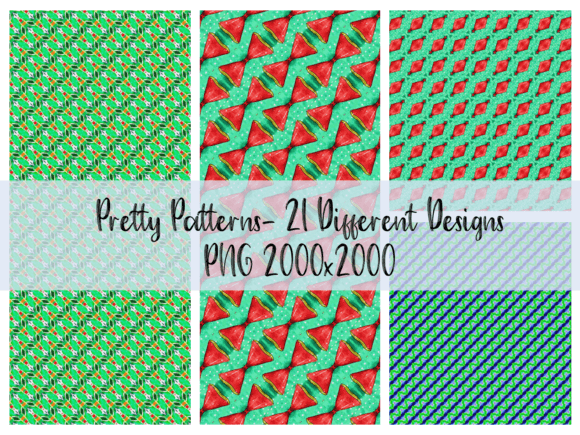
If you've ever stared at a blank laptop sleeve, a plain notepad, or an unadorned tote bag and thought, “I wish I had something beautiful—and ready to use—right now,” then 21 Pretty Patterns is exactly what you’ve been looking for. It’s not a single design or a trendy template—it’s a curated collection of 21 distinct, high-resolution pattern files, each delivered as a clean, transparent-background PNG at 2000 x 2000 pixels. And because it’s a digital download (no physical item shipped), you get instant access the moment your purchase clears.
What You’re Actually Getting—and Why That Matters
Inside the ZIP file, you’ll find 21 individual PNGs—each sized precisely for versatility without sacrificing quality. At 2000 x 2000 pixels, they scale beautifully on products like iPad covers and greeting cards, yet hold crisp detail even when printed large on wall art or festival banners. The transparency means no awkward white boxes or background clashes—you drop them straight onto colored paper, fabric mock-ups, or layered design projects with zero extra editing.
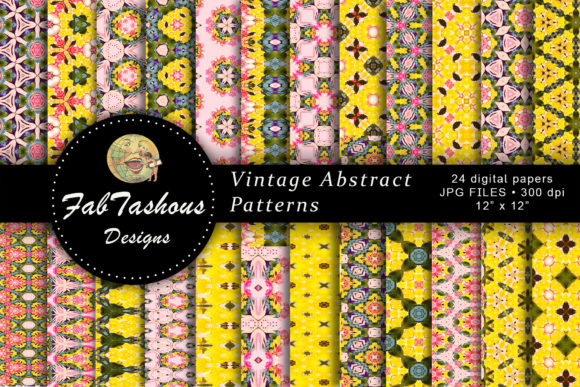
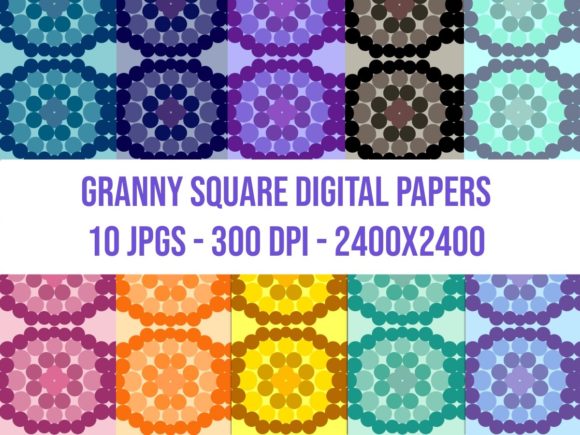
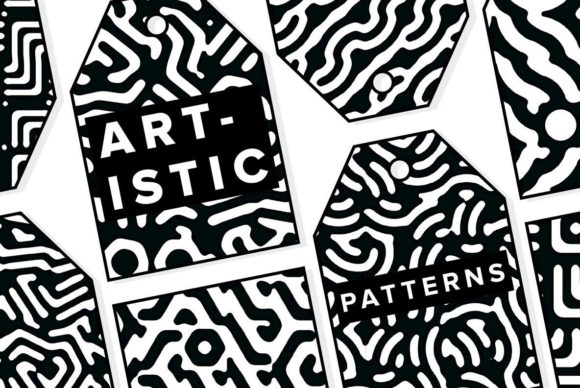
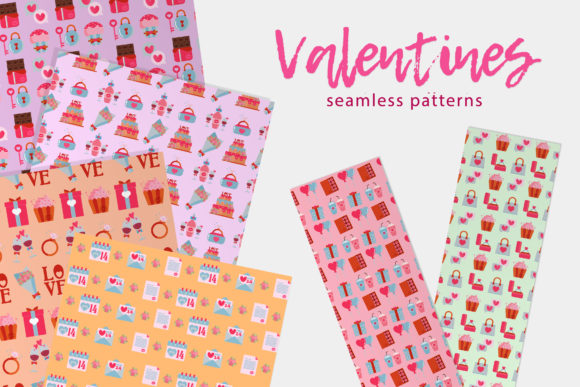
No fonts, no watermarks, no forced branding. Just patterns: florals, geometrics, subtle textures, hand-drawn motifs, minimalist repeats, and soft organic shapes—all designed to feel cohesive as a set but distinct enough to suit wildly different moods and messages.
Real-Life Uses You’ll Reach For Again and Again
This isn’t just “nice to have.” It’s practical fuel for real creative work—especially when time, budget, or design confidence is tight.
- Small business owners use these patterns to quickly brand packaging—think custom thank-you cards tucked into online orders, lined envelopes for subscription boxes, or branded shopping bags handed out at local markets. One pattern can become your “signature repeat” across touchpoints, building recognition without hiring a designer every time.
- Teachers and educators print them onto notepads or laminated flashcards for classroom use—or layer them behind student project titles in digital presentations. A soft floral pattern behind a “Science Fair Winner” certificate feels celebratory but still professional.
- Event planners and DIY hosts build cohesive invites and décor around one pattern: a delicate vine motif on save-the-dates, echoed on napkin wraps, tote bags for guest favors, and even temporary wall decals for photo backdrops at baby showers or weddings.
- Content creators and bloggers use them as consistent visual anchors—adding a pattern overlay to Pinterest pins, stitching one into YouTube banner templates, or using it as a subtle texture behind quote graphics for Instagram Stories.
- Students and freelancers personalize everyday tools: a notebook cover that reflects their personality, a laptop sleeve that stands out in a crowded lecture hall or co-working space, or even custom magnets for pinning deadlines and inspiration to their desk.
Where These Patterns Shine—And Where to Pause Before Jumping In
They’re ideal when you need consistency, speed, and aesthetic polish—but they’re not magic. Here’s what works well (and what to keep in mind):
Great for: Projects where repetition adds charm—not complexity. Think wrapping paper repeats, textile-inspired prints for fabric printing services, or seamless backgrounds for Canva-based social posts. Because each file is a standalone square, they tile predictably in most design software (just enable “pattern fill” or duplicate and align manually).
Less ideal for: Logos or monograms that require precise cropping or fine line work—these are full-field patterns, not icons. Also, while the 2000 x 2000 resolution handles most standard print-on-demand sizes (like 8x10” notecards or 12x12” frames), extremely large-format wall murals (e.g., 48x96”) may need upscaling or tiling—something to test first with a small section.
And yes—those lifestyle mock-ups you see? The ones showing the patterns on ceramic mugs, linen tote bags, or framed wall art? Those are for illustration only. No physical items are included. What you receive is pure, flexible digital raw material—ready for your tools, your vision, and your timeline.
Who Benefits Most—and How They Use It Differently
A graphic designer might drop a pattern into Adobe Illustrator as a swatch library—applying it instantly to shapes, text outlines, or presentation slide backgrounds. A crafter might import it into Cricut Design Space, resize it to fit a 5x7” card base, and cut foil-pressed versions for handmade stationery. A nonprofit volunteer could use one pattern to unify a series of bilingual festival invitations—keeping tone warm and inclusive without needing translation-aligned design help each time.
Even people who don’t consider themselves “creative” find value here. One customer told us she used a soft dot-grid pattern to label her home pantry jars—printed on sticker paper, cut by hand, and stuck on glass containers. Another turned a watercolor-style leaf pattern into reusable fabric gift wrap by printing it on cotton via a local print shop.
Simple Things to Check Before You Start Designing
You don’t need pro software—but you do need basic file-handling awareness. Since everything arrives in a ZIP folder, make sure you know how to extract it (double-click on Mac; right-click > “Extract All” on Windows). Then verify your design tool supports PNG transparency (most do—including free options like Photopea, Canva, and Google Slides).
If you’re sending files to a print service, confirm whether they prefer RGB (for digital or home printing) or CMYK (for professional offset printing). These patterns are delivered in RGB—perfect for screen use and most on-demand printers—but if you’re working with a traditional print house, you may want to convert before uploading.
And remember: licensing is for personal *and* commercial use. That means you can sell the notepads you design with these patterns, offer the tote bags as part of your Etsy shop, or include them in client deliverables—no extra fees or attribution required.
More Than Just Repeats—It’s Creative Confidence, Simplified
There’s a quiet relief in knowing you have 21 strong starting points—each tested for balance, rhythm, and visual calm. Not too loud. Not too busy. Not so minimal they disappear. Just pretty, purpose-built patterns that ask little of you but give back in usability, mood, and polish.
Whether you’re prepping for a craft fair this weekend, launching a new product line next month, or simply refreshing your home office one piece at a time—21 Pretty Patterns meets you where you are. No design degree needed. No waiting for revisions. Just open, place, personalize, and go.