Seamless Children's Patterns: A Practical Guide for Designers and Creators
Seamless Children's Patterns refer to repeatable, tileable design elements—often featuring playful motifs like animals, stars, clouds, vehicles, or abstract shapes—that align perfectly at their edges. Unlike standard clipart or isolated illustrations, these patterns are engineered so that when tiled horizontally and vertically, they form a continuous, uninterrupted surface with no visible seams or breaks. This technical quality makes them especially valuable for applications requiring consistent coverage across large or variable areas—such as book backgrounds, packaging wraps, fabric prints, or product decals.
What Sets Seamless Children's Patterns Apart
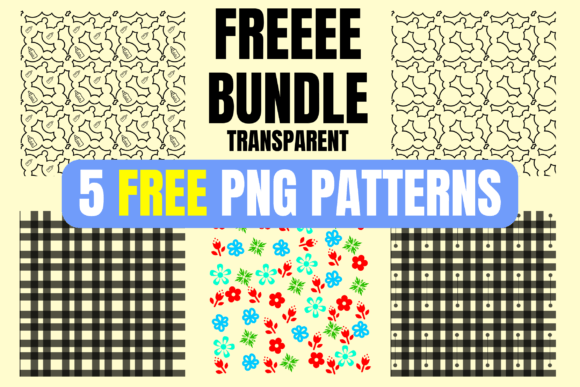
The defining trait of Seamless Children's Patterns lies in their construction—not just their subject matter. Each pattern is built using vector-based geometry (in AI and EPS formats) and high-resolution raster files (300 DPI PNGs with transparent backgrounds), ensuring scalability and print readiness without pixelation or loss of fidelity. The transparency allows designers to layer them over photos, gradients, or colored backgrounds without white borders or clipping issues. Because they’re seamless, they eliminate the need for manual tiling, edge-matching, or repetitive alignment—a time-saving advantage over non-seamless illustrations or hand-drawn repeats.
These patterns also differ from generic children’s clipart in intent and structure. Clipart is typically designed as standalone icons; Seamless Children's Patterns are conceived as systems—designed to interact with themselves across space. That structural intentionality supports consistency in branding, rhythm in illustration, and cohesion across multi-product lines (e.g., matching mugs, bags, and greeting cards under one visual language).
Two Core Types—and Where They Fit Best
This collection includes two distinct pattern types, each serving different visual and functional roles:
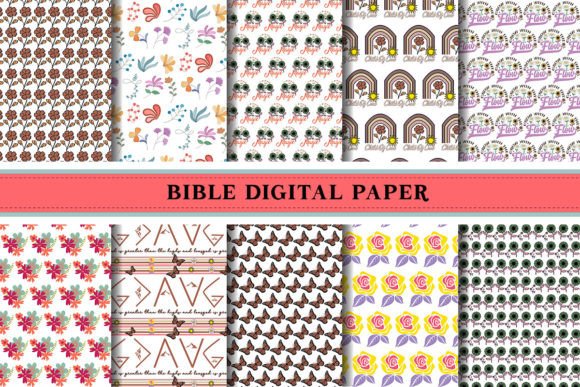
- Organic Repeat Patterns: These feature hand-drawn or softly rendered motifs—think wobbly-lined butterflies, watercolor-style rainbows, or unevenly spaced bunnies. Their irregularity creates warmth and approachability, ideal for storybooks, nursery decor, or boutique packaging where authenticity and tactile feel matter more than rigid symmetry.
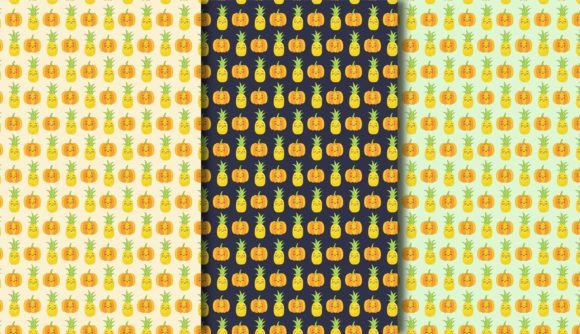
- Geometric Grid Patterns: Built on precise spacing and alignment, these use clean lines, uniform sizing, and mathematical repetition—like evenly spaced rockets, symmetrical polka dots with animal silhouettes, or interlocking stars. They suit modern T-shirt designs, educational materials, or product labels where clarity, scalability, and production efficiency are priorities.
Neither type is inherently “better”—their value depends on context. An organic pattern may feel too loose for a laser-cut stencil project requiring exact registration, while a geometric pattern might lack the charm needed for a handmade baby shower invitation. Recognizing this distinction helps avoid mismatched expectations during implementation.
Comparing Formats: Why File Variety Matters
The inclusion of AI, EPS, and PNG files addresses real-world workflow needs—not just marketing checkboxes. AI and EPS files preserve full vector editability: colors can be adjusted, elements ungrouped, spacing modified, or motifs recolored without degradation. This matters if you're adapting a pattern for a brand palette or resizing it for a jumbo tote bag versus a small mug wrap. PNG files—while raster-based—offer immediate usability: drag-and-drop into Canva, Photoshop, or Illustrator for quick mockups or layered composites, especially when transparency is required (e.g., overlaying a pattern on a photo background for social media posts).
That said, vector files demand basic familiarity with design software. Someone using only free tools like Google Slides or basic online editors may find PNGs more accessible—even if they sacrifice some flexibility in scaling beyond original dimensions. It’s not a limitation of the patterns themselves, but a practical consideration tied to skill level and tool access.
Real-World Use Cases—and When Alternatives Might Be Better
Seamless Children's Patterns work well when you need consistent, repeatable visuals across multiple physical or digital touchpoints. For example:
- A self-publishing author illustrating a board book can apply one pattern as a subtle background behind text-heavy pages, then reuse the same motif—scaled down—as endpaper design, ensuring visual continuity without licensing complications.
- A small-batch apparel brand creating kids’ T-shirts can isolate individual elements from the seamless repeat (e.g., pulling out a single smiling dinosaur) to use as a centered chest graphic—then deploy the full repeat for an all-over print on a summer dress.
- A gift shop designing seasonal greeting cards can layer a soft organic pattern behind handwritten typography, adjusting opacity for readability—then reuse the same file for sticker sheets or shopping bags, maintaining brand recognition across formats.
However, Seamless Children's Patterns aren’t always the optimal solution. If your project calls for highly detailed, narrative-driven scenes—like a specific forest setting with characters interacting—you’ll likely need custom illustration instead. Similarly, if you require animation-ready assets (e.g., SVGs with embedded interactivity or frame-by-frame sequences), static seamless patterns won’t fulfill that need. And for projects demanding cultural specificity—such as traditional motifs tied to particular regions or languages—generic children’s patterns may lack appropriate nuance or authenticity.
Print Readiness: What “300 DPI with Transparent Backgrounds” Actually Means
“300 DPI” signals suitability for professional offset or digital printing—not just screen display. At that resolution, fine details (like tiny stars or delicate whiskers on animal motifs) remain crisp even when printed at larger sizes. The transparent background means no extra clipping paths or white boxes to remove before placing the pattern into layouts—a small but meaningful efficiency gain when preparing files for printers or print-on-demand platforms.
Still, DPI alone doesn’t guarantee print success. Output depends on color mode (CMYK vs. RGB), bleed setup, and substrate choice. A seamless pattern that looks vibrant on screen may shift subtly on uncoated paper or kraft bags. Testing a physical proof remains advisable—especially for packaging or apparel, where texture and lighting affect perception.
Making the Right Choice: Key Decision Factors
Consider Seamless Children's Patterns if you:
- Need repeatable, scalable visuals across multiple products or formats;
- Prefer editable source files over locked JPEGs or low-res downloads;
- Value time savings in layout and production over absolute uniqueness;
- Are comfortable with basic vector editing or have access to someone who is;
- Require transparency for flexible layering in mixed-media designs.
Look elsewhere if you:
- Require bespoke illustration tailored to a specific story, character, or audience demographic;
- Need animated, interactive, or 3D-compatible assets;
- Work exclusively with no-code or browser-based tools lacking vector support;
- Have strict cultural, linguistic, or regulatory requirements that demand custom research and development;
- Need patterns optimized for embroidery, heat transfer vinyl, or other specialized production methods (which often require simplified outlines and stitch-count constraints).
In short, Seamless Children's Patterns fill a specific niche: efficient, production-ready, visually cohesive repeats for creators who balance creative control with practical timelines. They’re not a universal substitute for custom art—but they’re a reliable, versatile foundation when used with clear intent and realistic expectations.